

 See My Latest Article on HelloNation
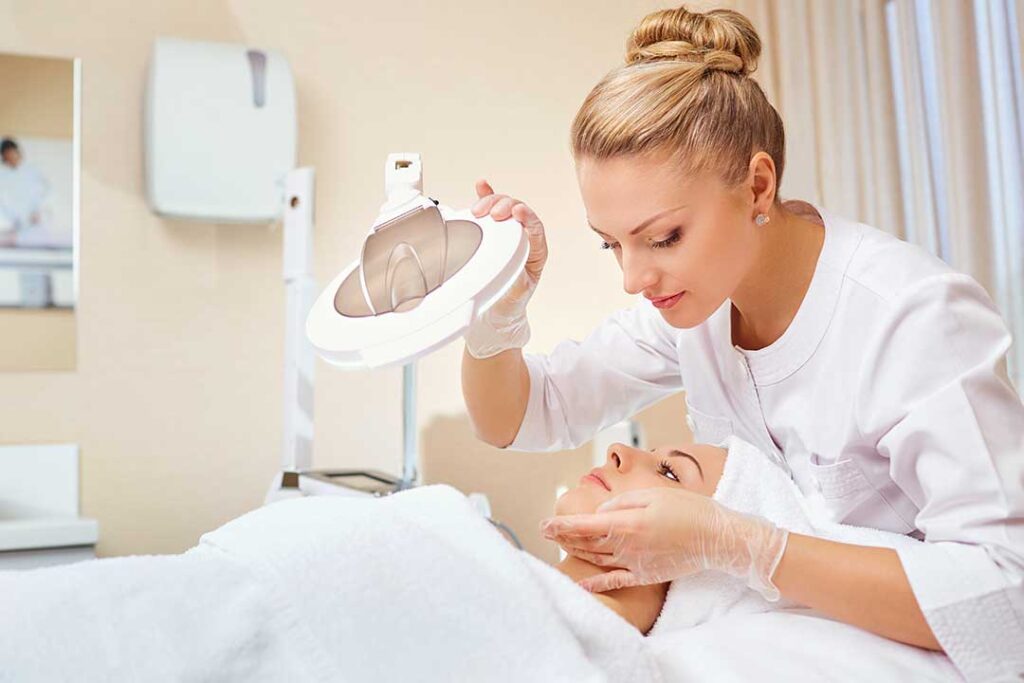
Holistic health is an approach to well-being that considers the whole person rather than focusing on a single symptom, body part, or diagnosis. It recognizes that physical health can be influenced by sleep, stress, emotions, nutrition, relationships, environment, movement, and daily routines.
For residents of Durango, CO, this perspective may be especially relevant because local lifestyles often include outdoor activity, seasonal changes, dry air, variable temperatures, and the practical demands of living in a mountain community. Holistic health does not mean replacing medical care with alternative remedies. Instead, it means looking at how different parts of life interact and using safe, evidence-informed strategies to support overall health.
What does holistic health include?
Holistic health commonly includes several connected areas of well-being:
- Physical health: Sleep, nutrition, movement, hydration, preventive care, and management of medical conditions
- Mental and emotional health: Stress regulation, emotional awareness, healthy coping skills, and access to mental health support
- Social health: Supportive relationships, community connection, communication, and a sense of belonging
- Environmental health: Air quality, sun exposure, housing conditions, workplace surroundings, and access to outdoor spaces
- Lifestyle habits: Daily schedules, alcohol and tobacco use, screen time, rest, and the ability to recover from physical or emotional demands
- Purpose and values: Activities, relationships, beliefs, or goals that create meaning and direction
These areas are not separate compartments. Poor sleep can affect mood and appetite. Ongoing stress may contribute to muscle tension, headaches, or skin changes. Limited movement can influence energy, circulation, and emotional well-being.
Is holistic health the same as alternative medicine?
No. Holistic health is a broad way of understanding wellness, while alternative medicine refers to treatments used instead of conventional medical care.
A holistic approach may include standard medical treatment along with supportive habits such as balanced meals, regular movement, counseling, adequate sleep, or stress-management techniques. Integrative care generally means combining conventional medicine with complementary practices that may be appropriate and safe.
Examples of complementary practices can include:
- Mindfulness or breathing exercises
- Yoga, stretching, or gentle mobility work
- Massage for selected musculoskeletal concerns
- Nutrition counseling
- Acupuncture from a properly trained provider
- Behavioral therapy or counseling
- Relaxation practices that support sleep and stress management
The safety and effectiveness of any practice depend on the person’s health history, medications, pregnancy status, and reason for seeking care. “Natural” does not automatically mean safe, and supplements can interact with medications or affect medical conditions.
Why does stress matter in a whole-person approach?
Stress affects more than mood. Short-term stress is a normal response to challenge, but persistent stress can influence sleep, digestion, muscle tension, concentration, blood pressure, eating patterns, and immune function.
Stress may also show up through visible concerns. Some people notice changes in acne, skin sensitivity, dryness, hair shedding, or the appearance of fatigue during demanding periods. These changes can have many possible causes, so they should not automatically be attributed to stress alone.
Practical stress-support strategies include:
- Keeping a fairly consistent sleep and wake schedule
- Taking brief movement breaks during sedentary work
- Spending time outside while protecting the skin from excessive ultraviolet exposure
- Limiting caffeine late in the day
- Using slow breathing or guided relaxation
- Maintaining regular meals instead of relying on long periods without food
- Seeking counseling when stress, anxiety, grief, or low mood interferes with daily life

Holistic health does not require eliminating all stress. The more realistic goal is improving recovery and reducing the effects of stress that can be changed.
How do sleep, movement, and nutrition fit together?
Sleep, physical activity, and nutrition are often treated as separate topics, but they strongly influence one another. Poor sleep can increase cravings and reduce motivation to exercise. Inadequate nutrition may contribute to low energy. Too much intense exercise without sufficient recovery can interfere with sleep and increase fatigue.
A practical foundation may include:
- A regular sleep routine with a cool, dark, and quiet bedroom
- Moderate movement most days, adjusted for fitness level and medical needs
- Strength, balance, and mobility activities as appropriate
- Meals that include protein, fiber, fruits or vegetables, and adequate fluids
- Recovery time after strenuous outdoor activity
- Extra attention to hydration during dry weather, exercise, or time spent at elevation
Local outdoor recreation can support movement and mental well-being, but it also creates specific considerations. Sun protection, layered clothing, hydration, gradual acclimatization, and awareness of changing weather can help reduce avoidable strain. A person who is new to higher-elevation activity may need to increase exertion gradually rather than assuming previous fitness will transfer immediately.
Does holistic health include skin and appearance?
Yes, but appearance should be viewed as one part of health rather than a complete measure of it. Skin can reflect genetics, age, sun exposure, hormones, medications, sleep, stress, hydration, and underlying conditions. A whole-person approach asks what may be contributing to a concern instead of treating the visible symptom in isolation.
For example, dry or irritated skin may be influenced by weather, bathing habits, topical products, occupational exposure, or a dermatologic condition. In a dry climate, hot showers, low indoor humidity, and frequent cleansing may increase discomfort for some people. Gentle skin care, appropriate moisturization, sun protection, and medical evaluation when symptoms persist may all have a role.
Aesthetic treatments, when pursued, should be considered alongside general health, realistic expectations, skin history, medication use, and recovery needs. Cosmetic care is not a substitute for diagnosing a new rash, rapidly changing lesion, unexplained hair loss, or other medical concern.
What are common misconceptions about holistic health?
One misconception is that holistic health means rejecting conventional medicine. In practice, responsible whole-person care can include preventive screenings, prescription treatment, surgery, mental health care, and urgent medical evaluation when needed.
Another misconception is that holistic health requires an expensive routine or a large collection of supplements. Many of the most useful foundations are simple: consistent sleep, regular movement, nourishing food, supportive relationships, appropriate sun protection, and timely medical care.
It is also a mistake to assume that every wellness practice works for everyone. A supplement, restrictive diet, fasting plan, intensive exercise program, or herbal product may be unsuitable for someone with a chronic condition or medication interaction. Reliable health information should explain both possible benefits and limitations.
When should a person seek medical care?
A holistic approach includes knowing when self-care is not enough. Medical evaluation is appropriate for symptoms that are severe, sudden, persistent, worsening, or interfering with normal activities.
Prompt attention may be needed for chest pain, trouble breathing, fainting, sudden weakness, confusion, severe allergic reactions, major injuries, or rapidly worsening symptoms. New or changing skin lesions, nonhealing sores, unexplained bleeding, and persistent changes in hair or skin also deserve appropriate evaluation.
The central idea is practical: health is influenced by the interaction of the body, mind, behavior, relationships, and surroundings. A whole-person approach can help residents make better daily decisions while still using qualified medical care when diagnosis or treatment is necessary.