

 See My Latest Article on HelloNation
What Small Actions Can Make a Real Difference for Mental Wellness?
Residents in Durango, CO often wonder how simple choices add up for mental health. While no habit is a cure-all, research and local experience show that small, consistent actions can help build resilience and emotional balance. Incorporating manageable routines into daily life—especially those that connect with the area’s pace and environment—promotes steadier moods and reduces stress over time.
How Does Physical Activity Help, Even in Unpredictable Weather?
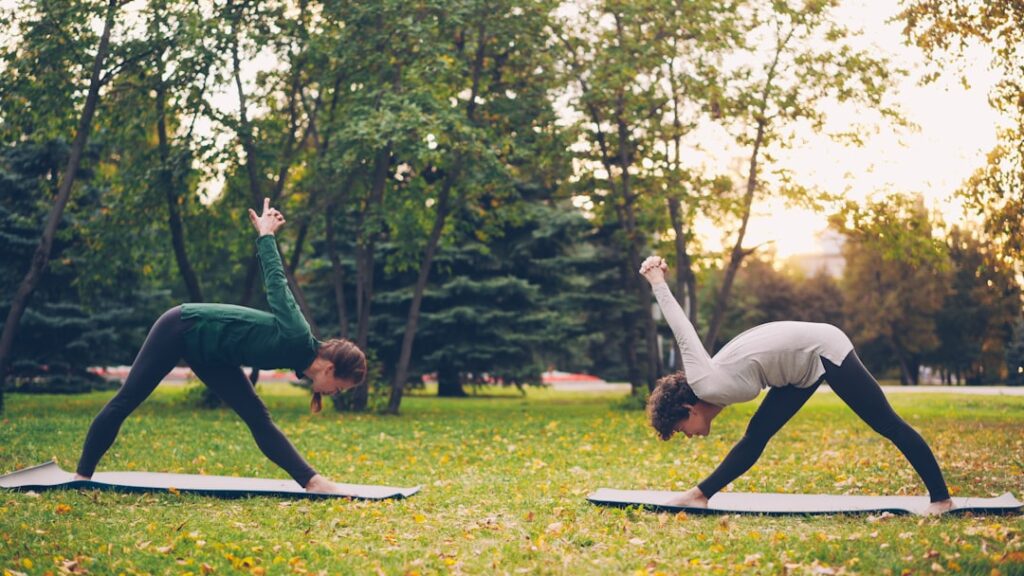
Moving your body benefits mood and can be adjusted for all seasons. Physical activity doesn’t require access to a gym or elaborate workouts—walking local trails, shoveling winter sidewalks, or stretching indoors all offer mental boosts. In addition to reducing anxiety, regular movement supports better sleep and more stable energy.
Choose activities that fit the local climate:
- In dry, sunny months, morning or evening walks in neighborhood parks are accessible and calming.
- Winter’s shorter, colder days make it easy to skip exercise. Setting aside even 10 minutes for light stretching, yoga, or walking in place can still help.
- Many area households enjoy outdoor hobbies like gardening, biking, or snowshoeing, which double as stress relievers.
Even just pausing to breathe fresh air and look at mountains or sky offers a mindful reset.
What Are Effective Ways to Manage Stress at Home?
Managing stress is a top priority for many community members, especially when balancing work, family, and changing weather. Small habits to reduce tension can be woven into daily routines and don’t require special resources.
Practical approaches include:
- Taking brief breaks—standing outside with a mug of tea or practicing slow, deep breaths for a few minutes during hectic days
- Setting screen-free times in the evenings to wind down
- Keeping a simple journal to jot down worries, gratitude, or plans
- Turning household chores into mindful moments (noticing the feel of warm water when washing dishes, for example)
Misconceptions persist that stress relief requires lots of spare time. Even busy households can fit in small periods of calm, which add up over weeks.
How Can Connections with Others Support Better Mental Health?
Feeling isolated is a concern in the winter months or for people working remotely. Connecting with others doesn’t have to mean large gatherings—short conversations with neighbors, regular calls to relatives, or checking in with a friend offer powerful mental health benefits.
Residents find that:
- Participating in local clubs, hobby groups, or community events (even just occasionally) strengthens a sense of belonging
- Volunteering time, offering to help a neighbor, or exchanging greetings in shared spaces lifts spirits for both parties
- Even short, positive interactions at the mailboxes or while out walking can improve outlook and reduce feelings of loneliness
Sharing time or concern for others is meaningful whether in person or virtually, and it helps foster a supportive community.
What Role Does Routine Play in Maintaining Emotional Balance?
Predictable routines help anchor days, especially during stressful or unpredictable periods. Maintaining consistent times for waking up, meals, and unwinding before sleep supports the body’s internal clock and can reduce mood swings.
Examples that work well for residents include:
- Keeping a regular bedtime and morning routine—even on weekends—to promote restorative sleep
- Scheduling outdoor time, whether for a daily walk, pet care, or tending to a garden bed
- Preparing meals ahead when work or school schedules get busy, making it less likely to skip essentials like breakfast or lunch

Misconceptions about routine often involve rigidity; local experiences show that small, adaptable rituals can be calming rather than confining.
Are Mindfulness or Meditation Useful If You’re Not Experienced?
Mindfulness simply means being present and aware of current experiences without rushing to judge them. Beginners do not have to commit to lengthy meditation sessions to see benefits.
Accessible approaches include:
- Breathing slowly and noticing sensations when leaving the house, starting the car, or walking into a store
- Taking periodic pauses during chores to listen to sounds or feel textures
- Introducing a short quiet moment before meals
Many residents find these informal practices bring perspective, especially when worries are high or circumstances feel overwhelming.
What Seasonal Factors in the Area Affect Mental Health Habits?
Seasonal shifts—long summer days, cold winters, fluctuating daylight—strongly impact local routines. Area residents commonly adjust habits throughout the year to support mental wellbeing.
Tips tailored to local conditions:
- Increase outdoor light and activity during milder months to help mitigate winter mood dips
- Consider light exposure indoors with lamps or sitting near sunny windows in darker seasons
- Maintain hydration, as the region’s dry climate and elevation can subtly affect energy and mood
- During particularly smoky or inclement days, create peaceful indoor spaces for relaxation or hobbies
Being aware of these environmental influences makes it easier to adapt without self-criticism when routines shift with the seasons.
How Can Residents Tell if They’re Doing “Enough”?
There’s a common misconception that supporting mental wellness requires significant money, time, or perfection. The reality is every small, positive choice contributes to wellbeing. Most important is finding daily practices that feel meaningful and sustainable in the context of personal needs and local conditions. What works for one person may look different for another, and small changes are often the most maintainable.